Natural cleaning is one of the most popular home topics right now, and for good reason. A handful of inexpensive pantry items can handle most everyday messes without strong fumes. But natural does not mean risk free, and some of the most popular combinations are actually dangerous. This guide covers five recipes that work, where not to use them, and the mixes you should never make.
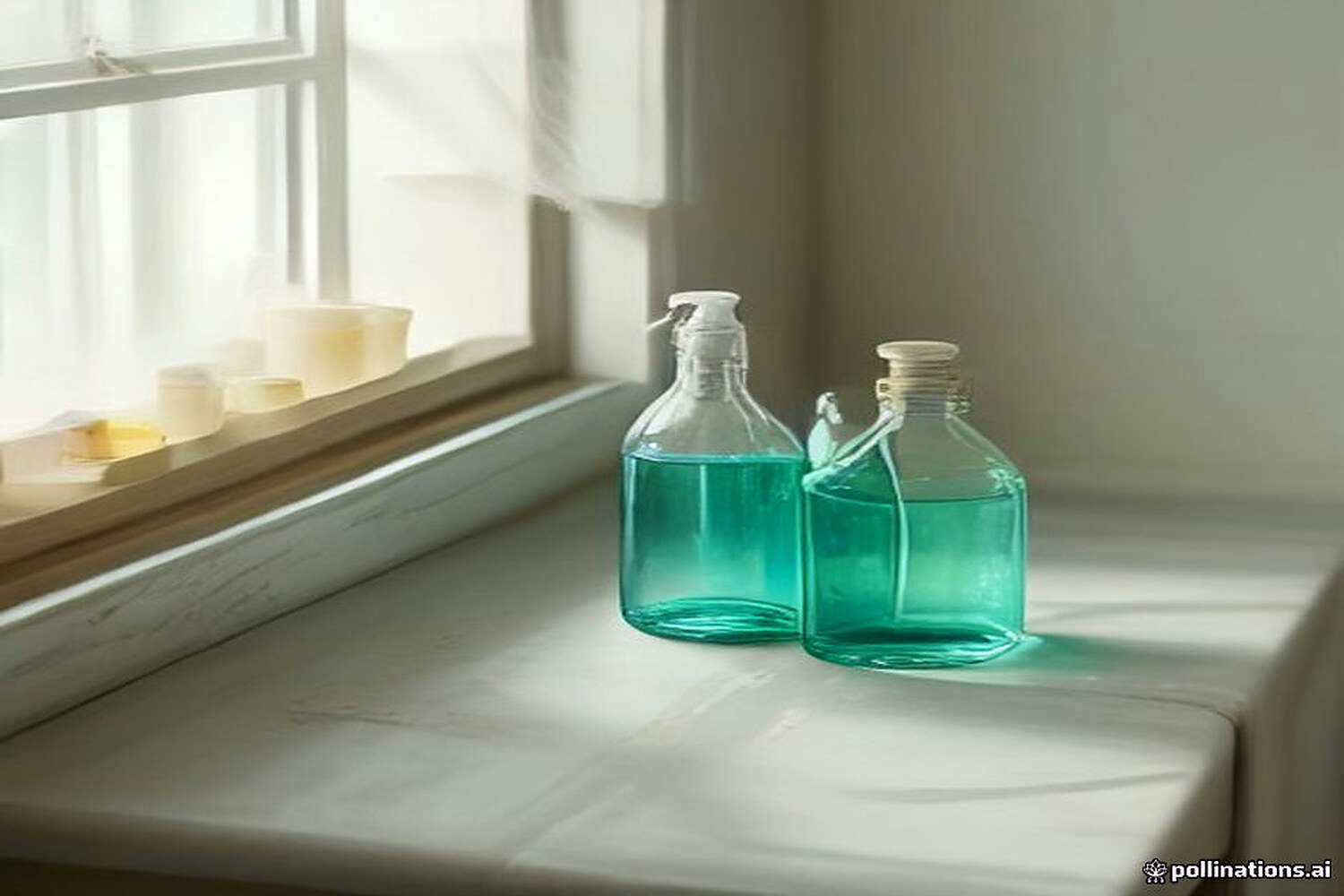
What each ingredient does
- White vinegar: a mild acid that dissolves mineral deposits and soap film.
- Baking soda: a gentle abrasive that scrubs and absorbs odors.
- Dish soap: lifts grease and everyday grime.
- Lemon: adds a fresh scent and a little acidity.
- Water and microfiber: the quiet heroes, since a good cloth does much of the work.
Five natural cleaning recipes
1. All-purpose spray
Mix equal parts white vinegar and water in a spray bottle. Use it on countertops (not natural stone), sinks, appliance exteriors and glass. Add a few drops of dish soap for greasy spots.
2. Soap scum spray
Combine equal parts warm vinegar and water with a small squirt of dish soap. Spray on tubs, tile and glass doors, wait 10 minutes, then wipe. For a complete walkthrough, see our guide to shower glass.
3. Baking soda scrub paste
Mix about three tablespoons of baking soda with one tablespoon of water. Spread it on sinks, stovetops or stained mugs, wait a few minutes, then rub gently and rinse. Our stovetop guide uses this method.
4. Glass and mirror cleaner
Use one part vinegar to one part water, spray lightly and wipe with a clean microfiber cloth, then buff dry. Using too much liquid is the most common cause of streaks.
5. Fresh microwave steam
Heat a bowl of water with lemon slices for three minutes, let it sit with the door closed, then wipe the inside. Here is the full microwave method.
Where not to use vinegar
- Natural stone such as marble, granite, travertine and limestone, which acid can dull or etch.
- Hardwood floors, unless your manufacturer approves it. Use a product made for wood floors.
- Electronics screens and coated lenses.
- Waxed or oiled wood.
- Rubber seals or some metal finishes, if used often. Rinse well afterward.
Natural is not the same as disinfecting
Vinegar and baking soda clean, but vinegar is not a registered disinfectant. When you need to disinfect, for example after handling raw poultry or when someone in the house is sick, use an EPA-registered disinfectant and follow the label, including the contact time.
Never mix these
- Bleach and vinegar: can release toxic chlorine gas.
- Bleach and ammonia: can produce harmful chloramine vapors. Some glass cleaners contain ammonia, so check the label.
- Hydrogen peroxide and vinegar in the same container: can form peracetic acid, which can irritate skin, eyes and lungs.
- Vinegar and baking soda in a closed bottle: the fizz builds pressure, and the two neutralize each other, so you lose cleaning power.
When in doubt, use one product at a time and rinse the surface with water between products.
Safety tips
- Label every spray bottle with its contents.
- Ventilate the room and wear gloves if your skin is sensitive.
- Store cleaners away from children and pets.
- Test on a small hidden spot first.
Save this guide for later
Frequently asked questions
Is vinegar a good all-purpose cleaner?
It handles many everyday jobs, especially mineral deposits and soap film, but it is not suited to natural stone or as a disinfectant.
Can I mix baking soda and vinegar to clean?
You can use them one after the other, but mixing them in a bottle makes little sense, because the fizzing reaction uses up both.
How do I make my cleaner smell better?
Add a few lemon peels to the vinegar for a week before you use it, then strain it. Avoid adding essential oils around pets without checking that they are safe.
Put these recipes to work in our Sunday reset checklist.
Images in this guide are AI-generated for inspiration (AI-generated for inspiration only).